Tag: Artificial Intelligence

Five Things AI Will Never Do for Your Business (No Matter How Advanced It Gets)

Everyone is talking about AI. Your inbox is full of tools, your LinkedIn feed is packed with “AI transformed my business” stories, and your competitors are experimenting. If you’re running a $5M–$50M company right now, the pressure to adopt AI is real—and in many cases, the technology genuinely can help you work faster, analyze data better, and streamline operations.

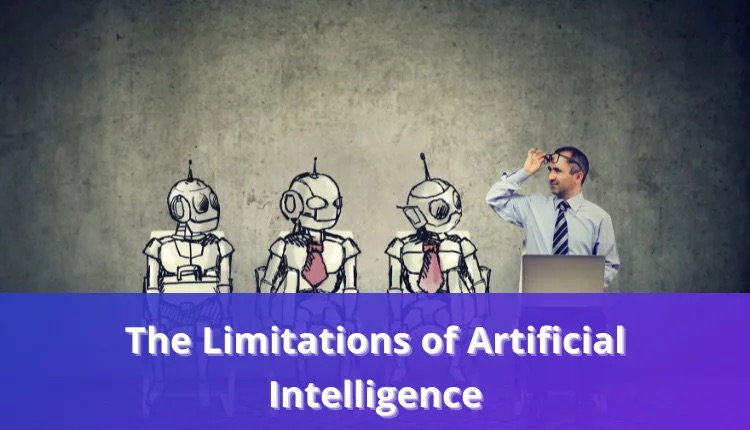
But here’s the thing nobody in the AI sales pitch is telling you. There are five things AI simply cannot do for your business—not today, not in five years, not ever in the way a human leader can. And if you let the excitement of automation make you forget about these five things, you will build a faster business that is emptier, less trusted, and harder to scale than the one you have today.

Let’s be clear-eyed about what AI can’t do. Not to dismiss it. But to keep you focused on what only you can provide.

(Before we get into the five things, make sure you have an actual AI strategy, not just AI tools. Read: Why Modern Leaders Need an AI Strategy—Not Just AI Tools.)

1. AI Cannot Build Trust With Your Team

Trust is built through a thousand small moments. The time you had a hard conversation with a team member who was underperforming and handled it with both honesty and respect. The morning you showed up after a rough quarter and chose to be honest about what went wrong instead of spinning the story. The moment you remembered something personal about someone’s life and asked about it.

AI can draft a thoughtful message. It can remind you of a birthday. It can even simulate empathy in text. But your team is not fooled by a machine. They know the difference between a leader who is present, who listens, who leans in—and an algorithm trying to mimic that. Trust is a human currency. It is earned by humans, over time, through consistent behavior. AI cannot earn it for you.

Research from Fortune and Deloitte published in early 2026 found that leadership teams that rely too heavily on AI-mediated communication are seeing measurable drops in psychological safety and team cohesion. The teams thriving right now are those where leaders are using AI to free up time so they can be more human—not less.

2. AI Cannot Make Values-Based Decisions

Every business eventually faces a decision where the numbers don’t tell you what to do. Do you cut a long-tenured employee who is no longer performing but has given 15 years to the company? Do you walk away from a profitable client who treats your team with disrespect? Do you say no to a growth opportunity that conflicts with what you stand for?

These are not math problems. They are values problems. And AI cannot solve them for you because AI does not have values. It has training data and optimization functions. Those are not the same thing. The most important decisions your company will make—the ones that define your culture and your reputation—require a leader who knows what you stand for, not a model that knows what similar companies have done.

This is one reason why developing your company’s core values is not a decoration exercise. If you’re on the fence about that, the next post in this series on values will be relevant. For now, read about how leadership misalignment often starts here: The Hidden Cost of Leadership Misalignment.

3. AI Cannot Coach Your People Through Hard Times

One of the most consistent findings in executive coaching research is that leaders change their behavior most durably when they are in a real relationship with a real coach—someone who knows their history, sees their blind spots, and holds them accountable not just to their goals but to who they are trying to become.

AI-powered coaching tools are emerging, and some have genuine utility for tracking habits or providing structured feedback. But they cannot do what Marshall Goldsmith describes as the deep behavioral change that comes from genuine human feedback loops. They cannot sit across the table from a CEO who just lost a major client and help that person process what happened, take ownership of their role in it, and rebuild their confidence. They cannot read the room. They cannot feel the weight of the moment.

Coaching your people through hard times—through layoffs, through family business conflict, through leadership transitions—is intrinsicly human work. A hypothetical that resonates with many business owners: imagine a company that automates its employee development program entirely through AI tools. Productivity metrics improve. Retention crashes within a year. People felt processed, not developed. The lesson was expensive.

For a look at how leadership development actually works in a sustained coaching model, see: What High-Performing Leadership Teams Do Differently.

4. AI Cannot Replace Your Contextual Judgment

Contextual judgment is the ability to read a situation in all its complexity—the history of the relationship, the unspoken tensions in the room, the moment in the company’s life cycle, the cultural dynamics on the team—and make a call that is wise given everything you know. Not just everything in the data.

An AI model can analyze five years of financial data and tell you whether a new product line looks profitable on paper. It cannot tell you that your operations manager is stretched too thin and that adding this product line right now will break something important. It cannot tell you that your number-one salesperson’s confidence is fragile after last quarter’s miss and that now is not the time to restructure commissions—even if the spreadsheet says you should.

Researchers at IE Business School in Spain describe contextual judgment as one of the irreplaceable leadership capacities—not because AI lacks data, but because context includes human variables that are not in any dataset. Your judgment, built from years of leading this specific team through these specific challenges, is not something that can be modeled or outsourced.

5. AI Cannot Own Accountability

Accountability in a company flows from human beings who choose to own outcomes. It is a choice—and choices require agency, moral responsibility, and consequence. An AI does not experience consequences. It does not feel the weight of having let someone down. It does not lie awake at night after a bad quarter. It does not show up the next morning with renewed resolve.

When your leadership team is accountable, it is because those leaders have decided that the outcomes of this business matter to them personally. They are not just executing a plan. They are invested. AI can track commitments, send reminders, and flag when targets are missed. But it cannot create accountability in the people who report to you. Only you can do that—through how you lead, how you hold standards, and how you model ownership yourself.

This is precisely why the transition from founder to CEO is such a critical growth moment. The temptation to automate your way around leadership responsibilities is real. But it is a trap. Read: From Founder to CEO: The Hardest Identity Shift No One Warns You About.

What This Means for You

None of this is an argument against using AI. Use it. Use it aggressively. Use it to draft, analyze, automate, and accelerate. Let it handle the work that does not require a human being.

But do not let the efficiency of AI make you lazy about the irreplaceable work of leadership. The five things above—building trust, making values-based decisions, coaching people through hard times, exercising contextual judgment, and owning accountability—these are the things your business needs from you. Not from a model. From you.

According to a March 2026 Fortune investigation citing Deloitte and Wharton researchers, the companies struggling most with AI adoption are not those that moved too slowly—they are the ones that moved so fast they forgot to invest in the human leadership required to make AI implementation work. The technology is not the bottleneck. Leadership is.

So yes, embrace the tools. And then show up more fully as the human leader your company needs. That combination—great tools and great leadership—is what will separate the businesses that thrive in 2026 from those that just look busy.

Your Next Step

Take five minutes this week and ask yourself honestly: am I using AI to enhance my leadership, or am I using it to avoid the harder work of leading? If the honest answer makes you a little uncomfortable, that’s probably the right place to start.

At Newlogiq, we work with business owners and CEOs to build the kind of leadership that technology cannot replace. If you’re ready to develop your team, sharpen your judgment, and build a business that is as human as it is efficient, let’s talk.

—————

Jeff Oskin is the founder of Newlogiq and a Scaling Up and DISCPlus certified coach. He works with $5M–$50M business owners and family businesses to build leadership, create execution systems, and scale with confidence.

Why Modern Leaders Need an AI Strategy—Not Just AI Tools

AI Needs to be in Your Leadership Playbook

You hear about artificial intelligence everywhere these days. The conversation is all about what it means for big companies, tech giants, and the jobs of the future. But if you lead a business in the $5 to $50 million dollar range, most of that noise is not your story. The real question is not whether AI will change leadership. It will. The real question is what you do about it right now.

AI Is Not Coming for Your Job — It’s Coming for Your Excuses

Here is what I see with my coaching clients. Most of them spend their days drowning in operational work. They read emails. They synthesize reports. They write the same response to the same question over and over. They sit in meetings trying to figure out what information matters. They do all of this because it feels urgent. It feels like their job.

And it is their job. Partially. The problem is that all of these tactical tasks use up the cognitive real estate that should be reserved for strategic thinking. When you are reading emails, you are not thinking about whether your market is shifting. When you are preparing for a meeting, you are not questioning whether the meeting itself should exist. When you are drafting a response to a supplier problem, you are not stepping back to ask whether that supplier relationship should evolve.

AI removes the excuse. Not overnight. Not magically. But meaningfully. When an AI tool can read through ten months of customer feedback in sixty seconds and hand you the three patterns that actually matter, you have bought back two hours of thinking time. When AI can draft your weekly communication to your team and you spend fifteen minutes refining rather than ninety minutes writing, you have reclaimed your attention. That is the real power of AI for a small business owner. It is not about replacing your judgment. It is about freeing you from the friction that keeps your judgment locked in the basement.

What AI Actually Does for a Leader

Let me be practical about this. AI is not magic, and I do not use it that way. Here is what it genuinely helps you do.

First, AI summarizes complexity. You have sales data, operational metrics, customer feedback, and market signals all coming at you. AI can run through that noise and distill it down to what actually moves the needle. It surfaces patterns you might have felt but not quite articulated. That is decision-making leverage.

Second, AI drafts at speed. Whether you are writing a difficult message to your team, preparing talking points for a board conversation, or outlining a proposal, AI gives you a first draft in seconds. You still make it yours. You still bring judgment to it. But you skip the blank page problem and start from something real. This matters more than you think. It turns writing from a creative act into an editing act, and editing is much faster than creation.

Third, AI runs scenarios faster. You are thinking about a price increase, a market expansion, or a hiring shift. What if we did X instead? AI can model that faster than you can think about it. You still make the decision. But you make it from a place of more information and fewer mental gymnastics.

None of this replaces your wisdom. None of it makes you less important. It makes you less bogged down.

What AI Cannot Replace

Now let me be equally clear about what AI cannot do. And this matters because I see leaders getting nervous about the wrong things.

AI cannot read a room. You have sat in thousands of conversations. You know what silence means. You understand what someone is really asking when they ask something else entirely. You can feel when a person is uncomfortable or excited or checked out. That pattern recognition lives in your body and your experience. AI does not have that. It reads scripts. It processes words. It does not feel the temperature of the moment.

AI cannot build trust. Your team member works harder for you because she knows you care about her growth. Your customer buys from you because he believes you understand his real problem. Your board believes in your vision because they have watched you navigate difficult seasons with integrity. None of that comes from AI. It comes from you. From your consistency. From your judgment. From your willingness to be wrong and learn.

AI cannot set culture. Culture is not a policy. It is not a memo. It is the way you show up, the kind of question you ask in a meeting, the kind of mistake you forgive, the kind of excellence you celebrate. That is human. That is leadership. That cannot be automated or outsourced or generated by a tool.

And that is actually why I think coaching matters more in an AI world, not less. As leaders have access to better tools to handle complexity, the differentiator becomes the quality of your judgment, the clarity of your thinking, and your ability to grow. That is where real leadership development happens.

How to Add an AI Chapter to Your Leadership Playbook

Here is how I recommend you start. Do not try to do everything at once. Do not subscribe to every tool. Do not redesign your entire workflow. That path leads to overwhelm and abandonment.

Instead, pick one thing. Just one. Look at your week. Where do you spend thirty minutes that could be compressed or elevated? Maybe it is weekly communication to your team. Maybe it is meeting prep. Maybe it is drafting an email to a difficult client. Pick that one thing and bring in an AI tool to help.

Use it for a month. Get real with yourself about whether it actually works. Does it save you time? Does it improve the quality of the output? Does it free up mental space for thinking that matters? If the answer is yes, keep it. If the answer is no, drop it. This is not religion. It is pragmatism.

Once you have one AI habit that works, add a second. Now you have reclaimed an hour or more per week. That is real time that you can now spend thinking. And thinking is what separates good leaders from great ones. That is when you rethink your strategy. That is when you notice that a key relationship needs attention. That is when you design your next move instead of just reacting to this week’s crisis.

The point is this. AI is not a magic wand. It is a tool. A good one, but a tool. The real power comes from what you do with the space it creates.

If you are curious about how to sharpen your leadership approach in 2026, I would love to talk about it. Visit Newlogiq to learn more about the coaching programs I offer for small business owners in your range. Or reach out directly. I respond to everyone who gets in touch, and I am always happy to have a conversation about what you are trying to build and where leadership development can help you get there.

The CEO’s Real Job Once Your Company Passes $10M

Why designing and developing matters more than doing

There’s a moment in every CEO’s journey when the business gets too big to run the way it used to.
Usually, it’s somewhere around the $10M mark.

You’ve built the company through grit, instinct, and getting involved in everything. But now, things are moving faster. The leadership team is growing. Accountability is getting blurry. And your time is getting pulled in too many directions.

This is when the CEO’s job starts to shift and most don’t see it coming.

The problem isn’t you. It’s that your role hasn’t evolved as fast as the business has.

What Got You Here Won’t Get You There

Most CEOs at this stage are still doing too much themselves. They’re solving day-to-day problems, jumping into meetings that don’t require them, and carrying key relationships that no one else has full context on.

It’s not because they’re controlling. It’s because that’s what built the business in the first place.

But when you cross $10M, hustle turns into friction. The leadership team needs space to lead. Decisions take longer when everything passes through one person. And you start to feel stuck, working harder than ever, with less impact than before.

That’s the signal. The job has changed.

The Real Work Starts to Shift

The shift looks like this:

  1. From Doing to Designing
    You stop being the problem-solver and start being the system designer.
    Your value comes from building the structure that allows others to lead. That means defining roles, decision rights, and communication rhythms,  not just stepping in when things go sideways.
  2. From Designing to Developing Leaders
    Once structure is in place, you start building real leadership depth. That means coaching, accountability, and succession planning. You don’t just delegate tasks,  you develop people who can think, decide, and act without you in the room.
  3. From Rescuing to Releasing
    This might be the hardest part. As the CEO, you’re used to having the answers. But now, your job is to let others own the results, even if they get it wrong before they get it right.

What This Looks Like in Practice

We’ve seen this shift play out in dozens of companies, and the patterns are consistent:

  • The CEO is still the bottleneck for decisions that should live in the team
  • Meetings are crowded with updates instead of forward-looking decisions
  • The org chart looks clean on paper, but in practice, people still escalate everything up
  • Strategy gets stuck because the leadership team doesn’t fully own execution
  • Performance issues go unaddressed because accountability isn’t clear

This isn’t bad leadership. It’s a normal growth ceiling. The way through it isn’t to do more,  it’s to lead differently.

Use Frameworks to Support the Shift

This is where frameworks like EOS, Scaling Up, or Lencioni’s team models come in. They give CEOs and leadership teams language, structure, and systems to support scale.

  • EOS helps clarify roles and meeting rhythms early in the journey
  • Scaling Up goes deeper into team accountability, strategy, and cash
  • Lencioni’s Five Dysfunctions can help surface team dynamics that slow progress

These tools don’t replace leadership, but they do help create the foundation for a CEO to step into a higher-leverage role.

If some of these patterns sound familiar,  like slow decisions, shallow accountability, or friction on the leadership team,  here’s a deeper look at why many companies between $10M and $50M stall, and what to do about it:

Why Most $10–50M Companies Stall at the Same Growth Ceiling

What the CEO’s Role Looks Like Now

Past $10M, the CEO’s real job sounds more like this:

  • Design the structure, not manage the work
  • Develop leaders who take full ownership
  • Protect alignment between vision, team, and execution
  • Drive clarity across the leadership table
  • Model calm, focused leadership in the face of growth pressure

This is the shift from founder energy to CEO focus. And it’s the difference between companies that keep growing and those that stall under their own complexity.

Final Thought

If you’re spending your days in back-to-back meetings, solving problems that others should own, and wondering why it all feels heavier than it should,  it might be time to reframe your role.

This is a pattern we see in nearly every company that crosses the $10M mark.

And like most ceilings, it’s more solvable than it feels.

A short conversation often brings clarity.
Reach out to Newlogiq if you’d like to talk through where you are, where you’re stuck, and what the next chapter of your role might look like.

The Role of AI in Service Scheduling Optimization

Artificial Intelligence (AI) is revolutionizing the way businesses schedule services. From optimizing employee shifts to maximizing delivery routes, AI is playing a crucial role in improving efficiency and reducing costs.

design-sprints-about

Jeff Oskin Headshot

Jeff Oskin

Owner

Artificial Intelligence (AI) is revolutionizing the way businesses schedule services. From optimizing employee shifts to maximizing delivery routes, AI is playing a crucial role in improving efficiency and reducing costs. In this article, we will explore how AI is transforming service scheduling optimization and the benefits it brings to businesses. To learn more about ways to improve your scheduling processes or ideas on how to leverage AI in your service operations, contact Newlogiq today.

What is Service Scheduling Optimization?

Service scheduling optimization is the process of efficiently allocating resources, such as employees, vehicles, and equipment, to tasks or jobs. By optimizing schedules, businesses can improve productivity, reduce downtime, and enhance customer satisfaction. Traditional scheduling methods often rely on manual input and limited data, leading to inefficiencies and errors.

AI plays a significant role in service scheduling optimization by leveraging advanced algorithms to analyze vast amounts of data. Through machine learning and predictive analytics, AI can create optimal schedules based on multiple factors such as employee availability, skill level, location, and task priorities. This dynamic approach allows businesses to adapt and refine schedules continuously to meet evolving requirements efficiently.

The benefits of service scheduling optimization with AI are numerous and impactful:

  • Improved Efficiency: AI-generated schedules reduce idle time, minimize travel distances, and maximize resource utilization.
  • Cost Savings: Businesses can lower labor costs, fuel expenses, and maintenance costs by optimizing schedules.
  • Enhanced Customer Experience: Timely service delivery through AI-generated schedules leads to increased customer satisfaction.
  • Flexibility: AI algorithms can quickly adjust schedules in real-time to accommodate unexpected events.
  • Data-Driven Insights: AI provides valuable insights into scheduling patterns, employee performance, and areas for improvement.

The Role of AI in Service Scheduling Optimization

AI-powered algorithms can analyze vast amounts of data to create optimal schedules based on various factors, such as employee availability, skill level, location, and task priorities. By leveraging machine learning and predictive analytics, AI can continuously refine schedules to adapt to changing conditions and improve efficiency over time.

Artificial Intelligence enhances service scheduling optimization by offering advanced functionalities such as automatic scheduling, route optimization, resource allocation, and predictive analysis. These capabilities enable businesses to streamline scheduling processes, improve operational efficiency, and meet customer demands effectively.

Some key benefits of AI in service scheduling optimization include:

  • Automatic Scheduling: AI algorithms generate optimal schedules based on predefined criteria and real-time data.
  • Route Optimization: AI analyzes traffic patterns and location data to optimize delivery routes and reduce travel time.
  • Resource Allocation: AI assigns tasks to the most suitable employees based on skill level, availability, and proximity.
  • Predictive Analysis: AI forecasts demand, identifies trends, and recommends scheduling adjustments to meet future requirements.

Benefits of AI in Service Scheduling Optimization

  1. Improved Efficiency: AI can quickly generate schedules that reduce idle time, minimize travel distances, and maximize resource utilization.
  2. Cost Savings: By optimizing schedules, businesses can lower labor costs, fuel expenses, and maintenance costs.
  3. Enhanced Customer Experience: AI-generated schedules ensure timely service delivery, leading to increased customer satisfaction and loyalty.
  4. Flexibility: AI algorithms can quickly adjust schedules in real-time to accommodate unexpected events, such as cancellations or delays.
  5. Data-Driven Insights: AI provides valuable insights into scheduling patterns, employee performance, and areas for improvement.

AI-Powered Tools for Service Scheduling Optimization

Several software solutions leverage AI to streamline service scheduling processes and improve operational efficiency. These tools offer advanced features, such as:

  • Automatic Scheduling: AI algorithms generate optimal schedules based on predefined criteria and real-time data.
  • Route Optimization: AI analyzes traffic patterns and location data to optimize delivery routes and reduce travel time.
  • Resource Allocation: AI assigns tasks to the most suitable employees based on skill level, availability, and proximity.
  • Predictive Analysis: AI forecasts demand, identifies trends, and recommends scheduling adjustments to meet future requirements.

Future Trends in AI Service Scheduling Optimization

As AI technology continues to advance, we can expect the following trends to shape the future of service scheduling optimization:

  • Personalized Scheduling: AI will customize schedules based on individual preferences, work habits, and performance metrics.
  • Integration with IoT: AI will seamlessly integrate with Internet of Things (IoT) devices to automate scheduling processes and monitor real-time data.
  • Dynamic Pricing: AI algorithms will optimize pricing strategies based on demand, supply, and scheduling patterns to maximize profitability.

Conclusion

In conclusion, AI plays a crucial role in transforming service scheduling optimization by enabling businesses to create efficient, data-driven schedules that improve productivity, reduce costs, and enhance customer satisfaction. By leveraging AI-powered tools and algorithms, businesses can stay competitive in today’s fast-paced and dynamic service industry. To learn more about ways to improve your scheduling processes or ideas on how to leverage AI in your service operations, contact Newlogiq today.

Back to Homepage


Latest Articles

Continue reading

Game-changing Artificial Intelligence Applications for Sales

Artificial Intelligence (AI) has revolutionized many industries, and the sales industry is no exception. With its ability to analyze vast amounts of data, make accurate predictions, and automate repetitive tasks, AI has become a game-changer in the world of sales.

design-sprints-about

Jeff Oskin Headshot

Jeff Oskin

Owner

Artificial Intelligence (AI) has revolutionized many industries, and the sales industry is no exception. With its ability to analyze vast amounts of data, make accurate predictions, and automate repetitive tasks, AI has become a game-changer in the world of sales. In this article, we will explore some of the most impactful AI applications that are transforming sales processes and driving success for businesses.  To learn about specific applications and how they might benefit your business, contact Newlogiq today!

1. Predictive Analytics

AI-powered predictive analytics is a powerful tool that enables sales teams to make data-driven decisions and identify potential opportunities. By analyzing historical data and patterns, AI algorithms can predict customer behavior, buying patterns, and sales trends. This allows sales professionals to focus their efforts on high-potential leads and tailor their strategies accordingly, increasing the chances of closing deals successfully.

AI algorithms can also analyze external factors such as market trends and economic indicators to provide a comprehensive view of the sales landscape. This information can help sales teams anticipate changes in customer preferences or market conditions, allowing them to adapt their approach and stay ahead of the competition. Moreover, predictive analytics can assist in demand forecasting, enabling businesses to optimize their inventory levels and ensure timely delivery of products and services.

To further enhance the effectiveness of predictive analytics, sales teams can leverage AI-powered tools that provide real-time insights and recommendations. These tools can highlight leads with the highest conversion probability, suggest the best time to engage with a customer, and even recommend personalized messaging based on individual preferences. By leveraging these capabilities, sales professionals can maximize their efficiency and improve their success rate.

2. Lead Scoring and Qualification

Traditionally, sales teams spent a significant amount of time manually qualifying leads. However, AI has automated this process with the introduction of lead scoring models. AI algorithms can evaluate and rank leads based on various criteria, such as demographic data, online behavior, and engagement levels. This enables sales teams to prioritize their efforts and allocate resources to leads with the highest likelihood of conversion, improving overall sales efficiency.

In addition to lead scoring, AI can also assist in lead qualification by analyzing customer interactions and identifying key buying signals. For example, AI-powered chatbots can engage with potential customers, ask relevant questions, and gather information to determine their level of interest and readiness to make a purchase. This automated qualification process not only saves time but also ensures that sales teams focus their efforts on leads that are most likely to convert, increasing the chances of success.

To further optimize lead scoring and qualification, sales teams can leverage AI-powered tools that integrate with customer relationship management (CRM) systems. These tools can provide real-time updates on lead scores, track progress throughout the sales funnel, and automatically assign leads to the most appropriate sales representatives. By streamlining the lead management process, businesses can ensure that no opportunity is missed and that all leads receive the attention they deserve.

3. Chatbots and Virtual Assistants

AI-powered chatbots and virtual assistants have become invaluable tools for sales teams. These intelligent bots can handle customer queries, provide personalized recommendations, and even assist with product demonstrations. By automating these tasks, sales professionals can focus on building relationships and closing deals, while the chatbots handle routine inquiries, saving time and resources.

AI chatbots can be deployed across various channels, including websites, social media platforms, and messaging apps, allowing businesses to engage with customers wherever they are. These chatbots can provide instant responses to frequently asked questions, guide customers through the purchasing process, and even offer personalized product recommendations based on their preferences and past interactions.

Virtual assistants, on the other hand, can assist sales professionals by providing real-time insights and recommendations during sales calls or meetings. For example, AI-powered virtual assistants can analyze customer profiles, suggest relevant talking points, and provide additional information to support sales pitches. This real-time intelligence enables sales professionals to deliver more personalized and impactful presentations, increasing the chances of closing deals successfully.

To ensure a seamless and personalized customer experience, businesses can leverage AI-powered chatbots and virtual assistants that integrate with CRM systems. These integrations enable the bots to access customer data and provide tailored recommendations based on individual preferences and purchase history. By leveraging these capabilities, businesses can enhance customer satisfaction, increase sales conversion rates, and ultimately drive business growth.

4. Sales Forecasting

Accurate sales forecasting is crucial for effective business planning and resource allocation. AI algorithms can analyze historical sales data, market trends, and external factors to generate reliable sales forecasts. This helps sales teams anticipate demand, optimize inventory levels, and make informed decisions about pricing and promotions, leading to improved sales performance and profitability.

AI-powered sales forecasting models can take into account a wide range of variables, including seasonality, industry trends, economic indicators, and even weather patterns. By considering these factors, businesses can gain a holistic view of the market and make strategic decisions to capitalize on opportunities and mitigate risks.

To enhance the accuracy of sales forecasting, businesses can leverage AI-powered tools that provide real-time data and insights. These tools can integrate with various data sources, such as CRM systems, marketing automation platforms, and external databases, to gather the most up-to-date information. By leveraging these tools, businesses can make more accurate predictions, identify potential bottlenecks in the sales process, and proactively address them to ensure smooth operations.

5. Sales Process Automation

AI enables sales process automation by streamlining repetitive tasks, such as data entry, lead nurturing, and follow-ups. By automating these routine activities, sales professionals can focus on building relationships, identifying new opportunities, and closing deals. This not only increases productivity but also ensures that no leads or tasks fall through the cracks, leading to a more efficient sales process.

AI-powered automation tools can handle various aspects of the sales process, including lead generation, lead qualification, and customer outreach. For example, AI algorithms can analyze customer data to identify patterns and preferences, allowing businesses to create targeted marketing campaigns and personalized communication strategies.

Moreover, AI-powered automation tools can assist in lead nurturing by sending automated follow-up emails, personalized recommendations, and timely reminders. These tools can also provide real-time analytics on customer engagement, allowing sales teams to identify the most effective outreach strategies and refine their approach accordingly.

By leveraging AI-powered sales process automation, businesses can streamline their operations, reduce manual errors, and improve overall efficiency. This not only frees up time for sales professionals to focus on high-value activities but also ensures that every lead receives timely and personalized attention, leading to higher conversion rates and increased revenue.

6. Personalized Sales Recommendations

AI algorithms have the ability to analyze customer data and generate personalized sales recommendations. By leveraging historical purchase behavior, browsing patterns, and demographic data, AI can suggest relevant products and services to individual customers. This level of personalization not only enhances the customer experience but also increases the likelihood of cross-selling and upselling, ultimately boosting sales revenue.

Personalized sales recommendations can be delivered through various channels, including email marketing, website pop-ups, and personalized product recommendations on e-commerce platforms. These recommendations can be based on a variety of factors, such as past purchases, customer preferences, and even real-time browsing behavior.

To further enhance the effectiveness of personalized sales recommendations, businesses can leverage AI-powered tools that integrate with CRM systems and e-commerce platforms. These tools can provide real-time updates on customer profiles, track purchase history, and analyze customer feedback to continuously refine the recommendations.

By leveraging AI-powered personalized sales recommendations, businesses can create a tailored shopping experience for their customers, increase customer satisfaction, and drive repeat purchases. Moreover, by cross-selling and upselling relevant products, businesses can maximize their revenue potential and increase customer lifetime value.

7. Sales Performance Analytics

AI-powered analytics tools allow sales teams to gain deep insights into their performance. By analyzing data on key performance indicators (KPIs) such as conversion rates, win rates, and sales cycle length, AI algorithms can identify areas for improvement and provide actionable recommendations. Sales managers can use these insights to optimize the sales process, coach their team members, and drive better results.

Sales performance analytics can provide a comprehensive view of the entire sales funnel, from lead generation to deal closure. By tracking KPIs at each stage of the sales process, businesses can identify bottlenecks, inefficiencies, and areas of improvement. For example, if the conversion rate from leads to opportunities is low, AI-powered analytics tools can help identify the underlying reasons, such as ineffective lead nurturing or inadequate qualification criteria.

To further enhance sales performance analytics, businesses can leverage AI-powered tools that provide real-time dashboards and reports. These tools can consolidate data from various sources, such as CRM systems, marketing automation platforms, and sales enablement tools, to provide a holistic view of sales performance. By leveraging these tools, businesses can identify trends, set realistic targets, and monitor progress towards their sales goals.

By leveraging AI-powered sales performance analytics, businesses can optimize their sales process, identify areas for improvement, and drive better results. Sales managers can use these insights to coach their team members, provide targeted training, and implement strategies to overcome challenges. Ultimately, this leads to higher sales productivity, increased revenue, and improved overall performance.

8. Sales Enablement

AI can significantly enhance sales enablement efforts by providing sales teams with real-time intelligence and relevant content. AI-powered tools can recommend the most effective sales collateral, suggest optimal messaging for specific customer profiles, and provide valuable insights during sales calls or meetings. By leveraging AI-powered sales enablement platforms, sales professionals can deliver more personalized and impactful pitches, leading to higher conversion rates.

Sales enablement platforms powered by AI can provide sales teams with access to a vast repository of sales collateral, including presentations, case studies, and product brochures. These platforms can use AI algorithms to analyze customer profiles, sales history, and customer feedback to recommend the most relevant content for each sales interaction.

Moreover, AI-powered sales enablement platforms can assist sales professionals during sales calls or meetings by providing real-time insights and suggestions. For example, these platforms can analyze customer data, such as purchase history and browsing behavior, and suggest talking points or cross-selling opportunities. This real-time intelligence enables sales professionals to tailor their pitches to individual customer needs, increasing the chances of success.

By leveraging AI-powered sales enablement, businesses can ensure that sales teams have the right tools and content at their fingertips, enabling them to deliver personalized and impactful pitches. This not only enhances the customer experience but also increases the chances of closing deals successfully and driving business growth.

Conclusion

In conclusion, AI has brought about a paradigm shift in the sales industry, empowering sales teams with intelligent tools and insights. From predictive analytics to sales process automation and personalized recommendations, AI applications are transforming the way sales professionals operate, leading to increased efficiency, improved decision-making, and ultimately, greater sales success. Embracing these game-changing AI applications for sales is essential for businesses looking to stay ahead in today’s competitive market landscape.  Contact Newlogiq today to better understand how your sales team might benefit from AI technologies!

FAQ

  • 1. What is predictive analytics and how does it benefit sales teams?

    Predictive analytics is an AI-powered tool that analyzes historical data and patterns to predict customer behavior, sales trends, and market conditions. It helps sales teams make data-driven decisions, focus on high-potential leads, and tailor their strategies for greater success.

  • 2. How does AI automate lead scoring and qualification?

    AI algorithms evaluate and rank leads based on criteria such as demographic data and online behavior. AI-powered chatbots can engage with potential customers, gather information, and determine their level of interest. This automation saves time, ensures focus on high-conversion leads, and increases the chances of success for sales teams.

  • 3. What are the benefits of using chatbots and virtual assistants in sales?

    Chatbots handle routine inquiries and provide personalized recommendations, while virtual assistants provide real-time insights and recommendations during sales calls. By automating these tasks, sales professionals can focus on building relationships and closing deals, leading to increased efficiency and higher success rates.

  • 4. How does AI enhance sales forecasting and why is it important for businesses?

    AI algorithms analyze historical sales data, market trends, and external factors to generate reliable sales forecasts. Accurate sales forecasting helps businesses anticipate demand, optimize inventory levels, and make informed decisions about pricing and promotions, leading to improved sales performance and profitability.

Back to Homepage


Latest Articles

Continue reading

Unlock the Power of Artificial Intelligence for Your Business – How CEO’s and Business Owners Can Harness AI to Get Ahead

Introduction

As the world continues to grow smarter and more connected, businesses across the globe are turning to artificial intelligence (AI) to help them make better decisions and stay competitive. In fact, according to a recent survey, 85% of enterprise executives believe AI will help their companies gain or sustain a competitive advantage.

However, the power of AI can be overwhelming for many businesses, especially those without experience in the field. As a CEO or business owner, unlocking the benefits of AI for your company can seem like an insurmountable task. This is where Newlogiq specializes and we’re here to help.

In this article, we’ll explore how you can harness the power of AI to get ahead and stay on top of your game. You’ll learn about the benefits of AI for your business, how to implement it into your operations, and how to ensure success while avoiding common pitfalls.

Continue reading

Unlock the Power of Artificial Intelligence: How CEO’s and Business Owners Can Harness AI to Get Ahead

As the world continues to grow smarter and more connected, businesses across the globe are turning to artificial intelligence (AI) to help them make better decisions and stay competitive.

design-sprints-about

Jeff Oskin Headshot

Jeff Oskin

Owner

Introduction

As the world continues to grow smarter and more connected, businesses across the globe are turning to artificial intelligence (AI) to help them make better decisions and stay competitive. In fact, according to a recent survey, 85% of enterprise executives believe AI will help their companies gain or sustain a competitive advantage.

However, the power of AI can be overwhelming for many businesses, especially those without experience in the field. As a CEO or business owner, unlocking the benefits of AI for your company can seem like an insurmountable task. This is where Newlogiq specializes and we’re here to help.

In this article, we’ll explore how you can harness the power of AI to get ahead and stay on top of your game. You’ll learn about the benefits of AI for your business, how to implement it into your operations, and how to ensure success while avoiding common pitfalls.

Understanding the Benefits of AI for Your Business

The benefits of AI are numerous and varied. One of the most significant advantages AI offers is its ability to process vast amounts of data quickly and accurately. With AI, businesses can identify patterns and trends that may be missed by human analysts, enabling them to make more informed decisions and take action more quickly.

Another important benefit of AI is its ability to automate routine processes, freeing up time for employees to focus on higher-level tasks and value-added activities. AI can also help businesses reduce costs by reducing the need for manual labor, minimizing errors, and streamlining operations.

Additionally, AI can help businesses improve customer experiences. With AI-powered tools like AI chatbots and virtual assistants, companies can provide personalized and efficient customer service 24/7, enhancing customer satisfaction and loyalty.

Implementing AI into Your Operations

The key to successfully implementing AI into your operations is to start small and build from there. Begin by identifying the business processes or tasks that could benefit most from AI, such as data analysis or customer service. Focus on high ROI to start.

Next, consider the available AI tools on the market and determine which ones would best fit your needs and budget. Don’t be afraid to consult with AI experts, such as Newlogiq, and vendors to ensure you make informed decisions.

Once you’ve selected the right AI tools, it’s essential to focus on integrating them into your existing operations seamlessly. Make sure you allocate the necessary resources and time to train employees on how to use the AI tools effectively and adapt to any changes in their roles and responsibilities. Remember that successful AI implementation requires a culture of continuous learning and improvement.

Avoiding Common Pitfalls with AI

While AI holds enormous promise for businesses, it also comes with some risks and drawbacks that must be addressed. One of the most significant challenges with AI is the potential for bias and discrimination. This can occur if the data sets used to train AI algorithms are incomplete, inaccurate, or reflect historical prejudices and stereotypes.

Another common pitfall is the potential for over-reliance on AI. While AI can make businesses more efficient and effective, it should never completely replace human judgment and intuition. A balance between AI and human input is crucial for optimal business outcomes.

Finally, the high cost of AI technology and the need for expert resources can be a significant barrier for companies, particularly small businesses. However, the cost of not investing in AI can be even greater in the long run, as businesses risk falling behind their competitors and losing market share.

Conclusion

In conclusion, the benefits of AI for businesses are undeniable, and the potential for its use is vast. As a CEO or business owner, it’s critical to understand how AI can help your company and how to implement it effectively. By starting small, selecting the right tools, and training employees, you can unlock the power of AI for your business and gain a competitive advantage. As with any significant change, be sure to proceed with caution and keep an eye out for common pitfalls. With the right approach, AI can take your business to the next level.  Contact Newlogiq to learn how our AI Workshops can provide a crystal clear roadmap, investment summary and ROI for your unique environment.

Back to Homepage


Latest Articles

Continue reading

AI Hallucinations: Understanding Them and How to Avoid Them for Business Owners

As a service leader overseeing field service operations, you understand the importance of managing costs and ensuring the productivity of your team.

design-sprints-about

Jeff Oskin Headshot

Jeff Oskin

Owner

We are living in a time where artificial intelligence (AI) is becoming increasingly integrated into our daily lives. It’s being used in everything from our personal devices to business practices. While AI can be a game-changer for many businesses, it’s essential to remain knowledgeable about the potential risks that come with it. One of these risks is AI hallucinations. In this blog post, we will provide an overview of what AI hallucinations are, how they happen, and most importantly, how business owners can avoid them altogether.

Understanding AI Hallucinations

AI hallucinations are errors that occur within AI systems. AI hallucinations refer to situations in which machine learning models, especially deep learning models like neural networks, generate outputs that aren’t consistent with reality or human expectations. They can arise from a malfunction or poor programming. They’re especially noticeable in image, video, and audio synthesis tasks, but they can manifest in a variety of AI applications. AI hallucinations can lead to mistakes in decision-making, which can be costly to a business. These mistakes can range from simple errors to more complex problems that can harm the overall operations and performance of a company.

How AI Hallucinations Happen

AI hallucinations occur when an AI system reaches an incorrect conclusion that is different from what it was supposed to do. This can happen when the data being input is incorrect, or when the AI code is faulty and doesn’t correctly analyze the information. Hallucinations can also arise from how the AI was trained to think, leading it to make inaccurate decisions.

Tips on How to Avoid AI Hallucinations

Luckily, business owners can prevent AI hallucinations by following a few simple steps. Firstly, it’s essential to ensure that the data being fed to the AI is both accurate and unbiased. This can be achieved by making use of multiple sources of data and thorough data cleaning techniques to remove any errors that could affect the results. Secondly, companies need to ensure their AI code is well-designed, with proper testing and debugging processes to minimize the risk of AI hallucinations. Thirdly, it’s crucial to train your AI system in a way that accounts for a variety of situations and scenarios to avoid problems arising from only selective programming. Finally, it’s equally important to monitor the AI systems regularly to ensure that they are functioning as required, and any mistakes can be quickly identified and rectified.

Perform Regular Audits

As a business owner, you should regularly audit your AI system to identify any anomalies or inaccuracies. Auditing involves testing the AI system with known data sets to check if it generates accurate results. If the results generated by the AI system do not match those of the known data sets, then there may be a problem with the algorithms.

Train Your AI System with Diverse Data Sets

Training your AI system with diverse data sets can help to limit the occurrence of hallucinations. By exposing your AI system to a wide range of data, you can help it to recognize patterns and make unbiased decisions. By doing this, you can help your AI system generate accurate results and reduce the likelihood of hallucinations.

Monitor Your AI models’ predictions

As a business owner, it is essential to monitor the predictions your AI models make. By doing this, you can quickly spot any inaccuracies and ensure that your AI system is generating accurate results. You can also create a feedback mechanism that allows users to report when they receive unexpected results.

The Benefits of Avoiding AI Hallucinations

Avoiding AI hallucinations in business applications offers numerous benefits. Enhanced reliability ensures that data-driven insights lead to better-informed decisions. Increased customer trust is maintained and enhanced by avoiding inappropriate or erroneous outputs in customer-facing applications. Cost efficiency is achieved by minimizing errors, avoiding downstream costs, and resource wastage. Regulatory compliance is upheld by adhering to strict standards and avoiding potential legal repercussions. Improved brand reputation is maintained by ensuring the production of accurate and consistent results. Optimized operational efficiency keeps workflows running smoothly by avoiding disruptions caused by AI hallucinations. The accuracy and reliability of AI systems provide a competitive advantage over competitors with unreliable outputs. Furthermore, businesses can minimize risks and cultivate better stakeholder relations by operating AI systems without errors.

Conclusion

AI technology has many benefits for businesses, from automating operational processes to enhancing customer experiences. However, Business owners must take note of the potential risks and one of these risks is AI hallucinations. Fortunately, they can be prevented by carefully monitoring and feeding the AI system with accurate and varied data. It’s vital to ensure that the AI code is well-designed and followed by rigorous testing to minimize the chance for AI hallucinations to arise. In implementing these steps, companies can reap the rewards of seamless operations, improved customer satisfaction, and skyrocketing business growth.

Back to Homepage


Latest Articles

Continue reading

Don’t Make These 5 Key Artificial Intelligence Adoption Mistakes

Artificial intelligence (AI) is one of the most significant technological innovations of the 21st century.

design-sprints-about

Jeff Oskin Headshot

Jeff Oskin

Owner

Artificial intelligence (AI) is one of the most significant technological innovations of the 21st century. It has the potential to revolutionize the way businesses operate, from improving productivity and efficiency to creating new products and services. However, AI adoption is not as straightforward as it may seem. Many businesses face challenges in implementing AI technology. As a CEO or business owner, you need to be aware of the obstacles that come with AI adoption so that you can address them effectively. In this blog post, we’ll discuss some of the key challenges of AI adoption and how to overcome them.

Lack of Skilled Personnel

One of the biggest challenges of AI adoption is the lack of skilled personnel to develop and implement AI technology. Many businesses lack in-house expertise in AI, and hiring specialized professionals can be expensive and time-consuming. According to a report by Indeed Hiring Lab, job postings for AI and machine learning (ML) positions have increased by over 30% in the last year, but the supply of qualified candidates still falls short of the demand.

To overcome this challenge, businesses can set up training programs for existing employees to upskill them in AI and ML. They can also partner with universities or training institutions to create pipelines of qualified candidates. Finally, business leaders can outsource initial forays into AI to third-party experts, such as Newlogiq, who can help get the AI ball rolling while simultaneously developing internal skills.

Data Quality and Availability

AI technology relies heavily on data, and the quality and availability of data can significantly impact its effectiveness. If the data is incomplete, outdated, or inaccurate, it can lead to biased or incorrect results. Many businesses struggle with collecting and preparing high-quality data for AI applications.

To address this challenge, businesses need to invest in high-quality data management systems that can ensure the accuracy and completeness of data. Infrastructure such as data lakes, data warehouses, etc. are critical for more advanced AI deployments, especially if you want the algorithms to take into account your data (vs. be a tool to assist your existing staff). It’s also essential to consider the ethical implications of using data in AI applications and ensure that it aligns with your company values and policies.

Cost of Implementation

Implementing AI technology can be expensive, especially for smaller businesses. The cost of hardware, software, and personnel can quickly add up, making it challenging for businesses to adopt AI technology.

To overcome this challenge, businesses can start by piloting small AI projects before embarking on large-scale implementations. They can also consider outsourcing AI development and implementation to reduce costs. Newlogiq has designed several services for this exact scenario.

Change Management

Resistance to change is a common challenge that many businesses face when implementing new technologies. It can be challenging to get employees to adopt new tools and systems, especially if they have been using traditional methods for a long time. Further, much of the hype surrounding AI is focused on “worker replacement”, which will naturally instill fear in your teams.

To address this challenge, businesses need to create a culture of innovation and encourage employees to embrace change. It’s essential to involve employees in the process of implementing AI technology, so they feel invested in its success. Using AI to make your existing staff more effective needs to be the mantra for AI deployments.

Ethics and Regulation

The ethical implications of AI technology are becoming increasingly important for businesses to consider. There are concerns about the potential misuse of AI, including biased decision-making, privacy violations, and job displacement. In addition, there are regulations in place for certain industries that require compliance with ethical guidelines.

To address this challenge, businesses need to establish ethical guidelines and policies for AI technology. They should also monitor the regulatory environment and ensure compliance with relevant laws and regulations.

Conclusion

AI technology has the potential to transform businesses, but its adoption comes with significant challenges. Businesses need to be aware of these challenges and take steps to address them. By investing in skilled personnel, high-quality data management systems, and ethical guidelines, businesses can overcome these obstacles and realize the benefits of AI technology. As a CEO or business owner, taking a proactive approach to AI adoption can give your business a competitive edge and position it for success in the digital age. To learn more about how Newlogiq is helping businesses just like yours avoid these key AI adoption challenges, contact Newlogiq today.

Back to Homepage


Latest Articles

Continue reading

How to Choose the Right AI Applications for Your Business

Artificial intelligence, or AI, is revolutionizing modern business operations. It has become a critical tool for improving productivity, creating efficiencies, and increasing profits.

design-sprints-about

Jeff Oskin Headshot

Jeff Oskin

Owner

Artificial intelligence, or AI, is revolutionizing modern business operations. It has become a critical tool for improving productivity, creating efficiencies, and increasing profits. Advances in AI technology have made it easier than ever for businesses of all sizes and industries to leverage its capabilities. However, with so many AI applications available on the market today, choosing the right ones for your business can be a daunting task. As AI business consulting experts, we will walk you through the key factors to consider when selecting AI applications for your business. These are the same guidelines Newlogiq uses when helping our clients evaluate and implement AI solutions.

Identify Your Business Needs

Before embarking on the journey to finding the right AI application for your business, you need to assess your business needs. Ask yourself, what are the specific problems I want to solve in my business with AI technology? Identifying your business needs will help you narrow down your options and choose an AI application that addresses those specific pain points. For instance, if you’re running an e-commerce business, then product recommendation engines or chatbots may be the right AI solutions for you.

Consider Industry-Specific Applications

AI is not a one-size-fits-all solution; some applications are tailored for specific industries. When researching AI applications, it is crucial to evaluate industry-specific solutions that are built to address the unique challenges of your sector. For example, healthcare providers may find AI-powered diagnostics and treatment path recommendations systems useful. Similarly, manufacturing companies may benefit from AI applications that promote predictive maintenance and quality control. Look for vendors who provide a free trial period or demos so you can test the product’s effectiveness. Implementing an AI application without testing it first can have serious repercussions and add to your already high costs.

Consider Customization Capabilities

Every business is unique, which means its AI application requirements may also be unique. When selecting AI solutions, consider how much they can be customized to meet your business needs. AI applications that have modular designs or open APIs can be easily customized to suit your needs and are more flexible for the future. These AI solutions that can adapt and grow with your business can save you significant costs and headaches over the long term.

Assess the Quality of the Vendor

Choosing the right AI vendor is as important as choosing the right AI application. Take time to research vendors and consider aspects such as their customer service, technical expertise, and level of experience in your industry. Focus on vendors with established reputations, track records of success, and on-time delivery. You need to understand how long they have been in business and what experience they have in developing and deploying AI solutions. You should also check if they have a proven track record of delivering successful outcomes to businesses similar to yours.

Ensure Security and Data Privacy

As the use of AI grows in organizations, data security and privacy have become a critical concern. When selecting AI applications, ensure that the vendor’s data handling policies meet your organization’s security and privacy requirements. The application must be able to handle sensitive data securely, and the vendor must have a plan for dealing with data breaches.

Design for Scalability

As your business grows, its AI needs will evolve, and your AI applications must scale with your business. Thus, it is essential to select AI applications that are designed with scalability in mind. This means that the applications can process an increasing volume of data and users without compromising performance or accuracy. Therefore, when researching AI applications, it is essential to inquire how scalable the solutions are and how the vendor plans to manage increased demand.

Assess Integration Capabilities

Another critical factor to consider when selecting AI applications is integration capabilities. The AI application you choose should seamlessly integrate with your existing software and platforms. This will prevent unnecessary disruptions to your business operations and help you realize the benefits of AI applications more quickly. Consequently, it is crucial to inquire about integration capabilities before selecting an AI application.

Conclusion

In conclusion, selecting the right AI applications for your business can be a massive undertaking with many factors to consider. Choosing the right AI applications for your business is a critical decision as it has the potential to transform your operations, increase productivity, and boost revenue growth. However, by focusing on identifying your business needs, evaluating vendor expertise, evaluating industry-specific AI applications, assessing customization capabilities, ensuring data security and privacy, and overall integration capabilities you’ll be one step ahead in the selection process. Keep an open mind and be willing to experiment with different AI applications before finding the perfect fit. Lastly, remember that choosing the right AI application is a journey and not a destination, so be prepared to continually assess your AI applications as your business evolves. By doing so, you’re sure to leverage the full potential of AI and drive business success.

Choosing and implementing the right AI tools that yield high ROI is a specialization of Newlogiq. We encourage you to reach out and setup an introductory session to discuss how we can help you get on the “AI bandwagon” while ensuring a strong business return.

Back to Homepage


Latest Articles

Continue reading